25-36 of 164 results

Copper Forging Processes and Heat Treatment

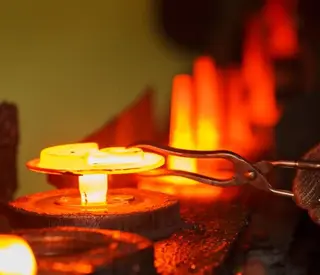
This article provides a comprehensive overview of copper forging, focusing on critical processing stages and heat treatment technologies that determine final product quality and performance. It examines billet preparation, controlled heating, forging operations, forming accuracy, and post-forging treatments, while highlighting the role of precise temperature and deformation control. The heat treatment process, covering heating, holding, cooling, and protective measures, is analyzed for its impact on mechanical properties, corrosion resistance, and service life.

The Role of Hot Die Forging in Automotive Manufacturing

Hot die forging shapes metals under high heat and pressure to produce complex, high-strength components. With superior mechanical performance, precision, efficiency, and minimal waste, it is widely used in automotive, aerospace, and machinery industries, driving innovation, durability, and sustainable manufacturing.

Step-by-Step Guide to Manufacturing Cylinder Forgings

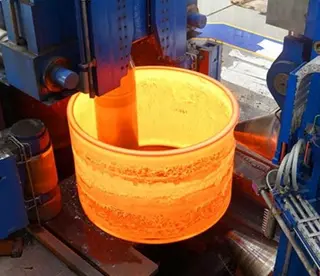
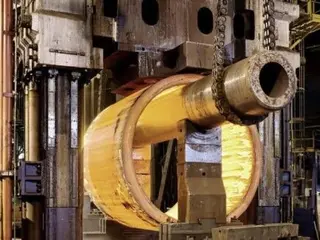
This article offers a complete guide to cylinder forging, covering material selection, heating, forging methods, die design, lubrication, and post-forging processing. It highlights challenges and innovations in large cylinder forgings, including grain structure control and composite forging techniques, providing practical and technical insights for producing high-quality, high-performance components.

How to Eliminate Grain Structure Inheritance in Forgings?

In the field of metal processing, the quality of forgings plays a decisive role in the performance of the final product. Among the many factors affecting forging quality, grain structure inheritance, though seemingly a subtle microstructural issue, can pose significant hidden risks to mechanical performance. This article provides an in-depth discussion of the formation mechanism of grain inheritance, its adverse effects on performance, and a range of proven solutions, helping readers gain a comprehensive...

Heat Treatment of Forgings: Defects, Causes and Methods

In the field of mechanical manufacturing, forgings play a pivotal role. Whether they are key components of automotive engines or precision parts used in the aerospace industry, their performance and quality depend directly on the quality of the forgings themselves. Heat treatment, as a crucial stage in the production of forgings, has a decisive influence on their final performance. An appropriate or inappropriate heat treatment process can make a significant difference. This article takes an in-depth...

Guide to Nickel-Based Alloy Open Die Forging

Nickel-based alloys are widely recognized in modern industry for their exceptional mechanical properties, corrosion resistance, and high-temperature performance. These materials have become indispensable in sectors ranging from aerospace and automotive to energy and defense. From high-performance turbine blades in aircraft engines to critical components in petrochemical plants and nuclear reactors, nickel-based alloys are often the material of choice when reliability under extreme conditions is...

The Role of Forgings in Pressure Vessel Safety

In today's industrial field, pressure vessel forgings play an indispensable role. From petrochemicals to agriculture, from defense to many other industries, pressure vessel forgings are ubiquitous. They come in a wide variety, which can generally be divided into four main categories: storage, reaction, heat exchange, and separation. Most of these vessels operate under extremely harsh conditions such as high temperature and high pressure, which means that their design and manufacture must prioritize...

Choosing a Crankshaft: Forged or Cast?

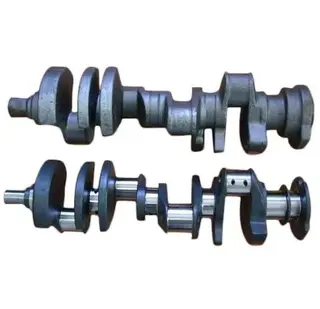
In the world of automotive engines, the crankshaft plays a crucial role. It acts like the heart of the engine, converting reciprocating motion into rotational motion, providing power for the car. However, not all crankshafts are the same; they differ significantly in material and manufacturing process. Today, we will take an in-depth look at the differences between cast and forged crankshafts, as well as their respective advantages and applications. The Importance of the Crankshaft The crankshaft...

Forged Component Hardness: Key Factors and Optimization

In modern industrial production, forged components are widely used in the manufacturing of various complex and high-demand mechanical parts due to their outstanding mechanical properties. Hardness, as one of the key performance indicators of forged components, has a crucial impact on the overall performance of the product. This article will explore in depth the knowledge related to the hardness of forged components, including the factors affecting hardness, hardness testing methods, and how to improve...

Selection and Dimensioning of Forging Blanks

In the field of mechanical manufacturing, the selection and dimensioning of forging blanks is an extremely critical step in the entire forging process. It not only directly affects the quality and performance of the final product, but is also closely related to production efficiency and cost. This article will explore in detail the principles for selecting forging blanks and the methods for determining their dimensions, helping readers gain a better understanding of this complex and important process....

Forging Technology in Flange Manufacturing

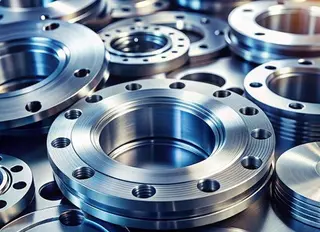
In modern industrial production, flanges are particularly critical; they act like the joints of piping systems, connecting different pipes. Whether in the petroleum, chemical, machinery, or construction industries, flanges are indispensable. Flange forging technology is the core process for manufacturing high-quality flanges, and it is both complex and important. Today, we will take an in-depth look at flange forging technology to understand exactly how this precise manufacturing process works....

Roll Forging: An Efficient Plastic Forming Technology

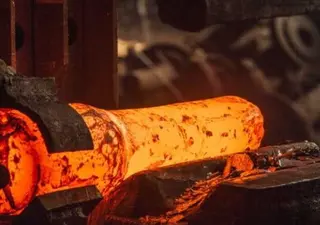
In modern industrial production, various manufacturing processes for metal parts continue to emerge, and roll forging, as an advanced plastic forming process, stands out among many methods due to its unique advantages. This article will explore the principles, characteristics, classifications, and practical applications of roll forging, helping readers gain a comprehensive understanding of this efficient, energy-saving, and environmentally friendly manufacturing technology. Definition and Principle...

Total 164 Records, 12 records per page