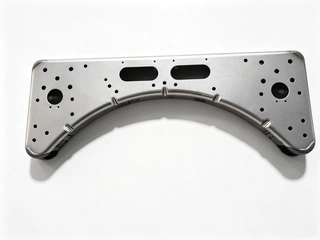
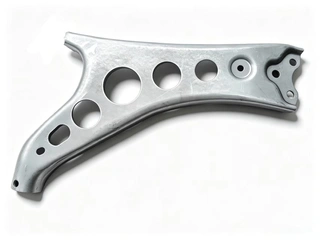
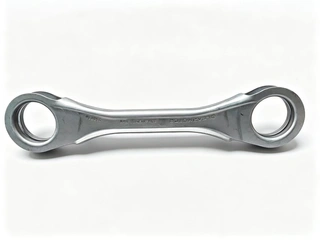
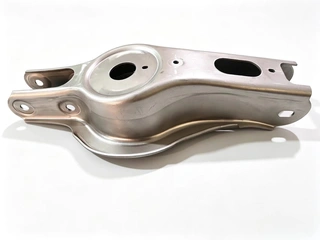
Stamped Parts | Automotive Sheet Metal Stamping Components

To Be Your Right Partner
Stamping is a cold‑forming manufacturing process for metal sheets. Under mechanical pressure from press equipment, flat steel sheets are processed through cutting, punching, bending and forming by stamping molds. No high‑temperature heating is involved in this production workflow.
This manufacturing method delivers stable dimensional consistency for mass‑volume production. Different steel grades and sheet thickness can be selected to achieve required mechanical strength and rigidity. Stamped metal structural components are widely deployed for automotive chassis assemblies, vehicle brackets, engineering machinery and general industrial mechanical equipment.
Automotive stamped components represent one major application field. Structural parts for vehicle chassis demand balanced performance between high rigidity and lightweight weight, putting forward strict requirements for mold design, process simulation and full‑range quality management.
For stamped components applied in vehicle systems, refer to our sub‑category for automotive stamped parts.